Against the odds, Andrew Dawson conquers Seven Summits
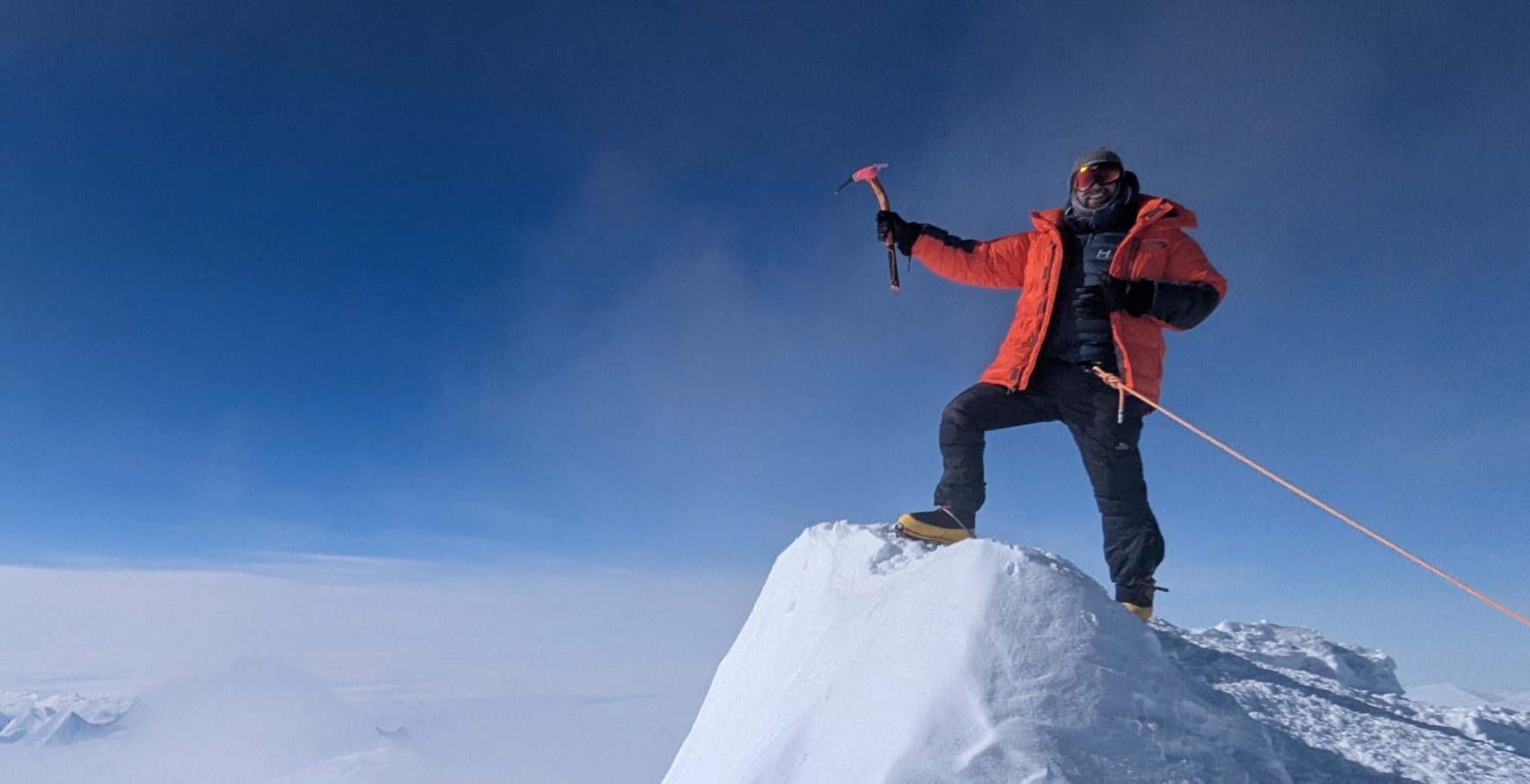
When Mike and Jo-Ann Dawson gathered with family and friends at their Aylmer home in late spring to celebrate their 34-year-old son Andrew, it wasn’t for one of the milestones more commonly associated with someone his age.
There was no new house, wedding or baby to celebrate. Instead, the family was marking the completion of a remarkable 16-year journey that had taken Andrew to the highest mountain on every continent.
With his successful ascent of Mount Everest on May 18, Andrew Dawson had conquered the Seven Summits, joining an exceptionally small group of mountaineers. According to the Seven Summits Registry, just 24 Canadians have completed the challenge, with estimates putting the worldwide total at fewer than 750.
His parents, Mike and Jo-Ann, and brothers Ryan and Scott had good reason to celebrate.
The accomplishment was all the more remarkable because, seven years earlier, Andrew had been diagnosed with ankylosing spondylitis, a form of inflammatory arthritis that primarily affects the spine and can cause vertebrae to fuse over time.
Mr. Dawson said the doctor told him he would be in a wheelchair by the time he was 40.
“I knew time was a bit more limited. So, it kind of accelerated a little bit of that from a sense of doing it while I still can. What ended up being maybe a lifetime journey turned into about nine years condensed between 2017 and 2026,” said Mr. Dawson.
Mr. Dawson chose to climb the Messner list version of the Seven Summits, climbing Mount Kilimanjaro, Aconcagua, Mount Elbrus, Denali, Carstensz Pyramid, Mount Vinson and Mount Everest.
1-Kilimanjaro
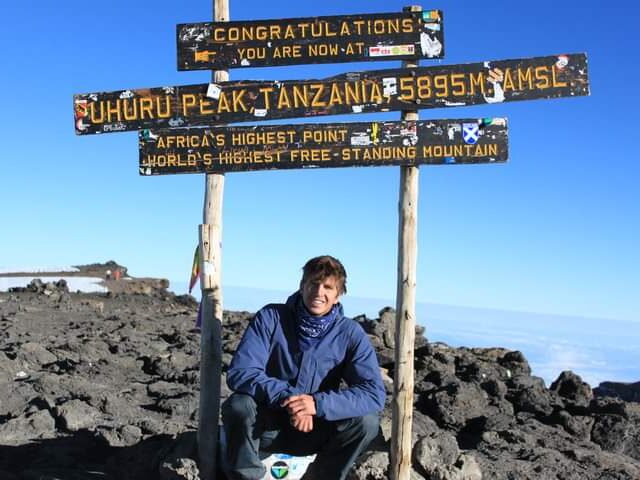
Born and raised in Mississauga, mountain climbing was never something Mr. Dawson had envisioned pursuing. But his father travelled for work, giving Mr. Dawson a chance to see the world.
The mountaineering journey began in 2010, when the Dawson family travelled to Mount Kilimanjaro in Africa.
Mount Kilimanjaro is the tallest mountain in Africa, peaking at 5,895 metres. At 18, Mr. Dawson fell in love with the mountains.
He took some time off from climbing, attending Queen’s University.
“There’s no mountains in Kingston, so I didn’t do any hiking,” said Mr. Dawson, adding that he moved to Calgary, Alberta, after graduating from university.
2-Aconcagua
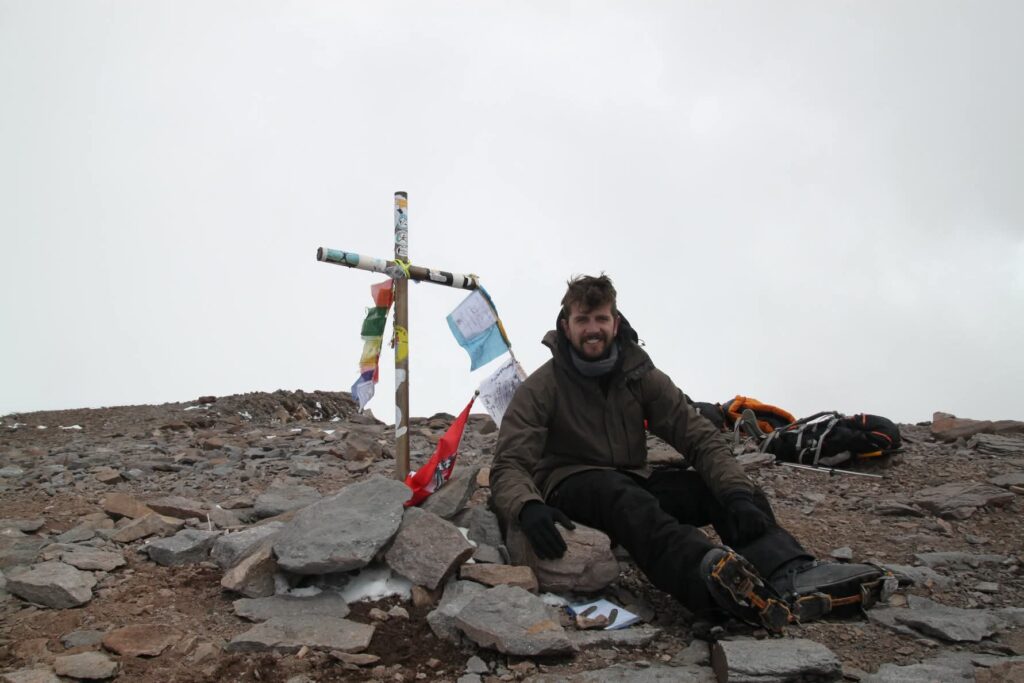
In Calgary, Mr. Dawson rediscovered his love for mountains, hiking on weekends with his friends. Through this, he learned about Aconcagua in Argentina. He reached the 6,961m summit of Aconcagua in December 2017.
After he reached his second summit, Mr. Dawson thought “what’s next?” He decided to tackle the Seven Summits but was unsure about the biggest mountain.
“Okay, I’ll do the other six and when I get to Everest, we’ll see,” he recalled thinking, adding that the risk, expenses and commercialization of the mountain didn’t appeal to him.
Mr. Dawson planned to climb more frequently, but the time off didn’t help with his training.
“The best way to train for mountains is mountains. That’s just how you get your mountain legs,” he said.
He added that consistent CrossFit training and even triathlons can help prepare climbers, with an emphasis on cardiovascular endurance, lower-body and core strength.
3-Mount Elbrus
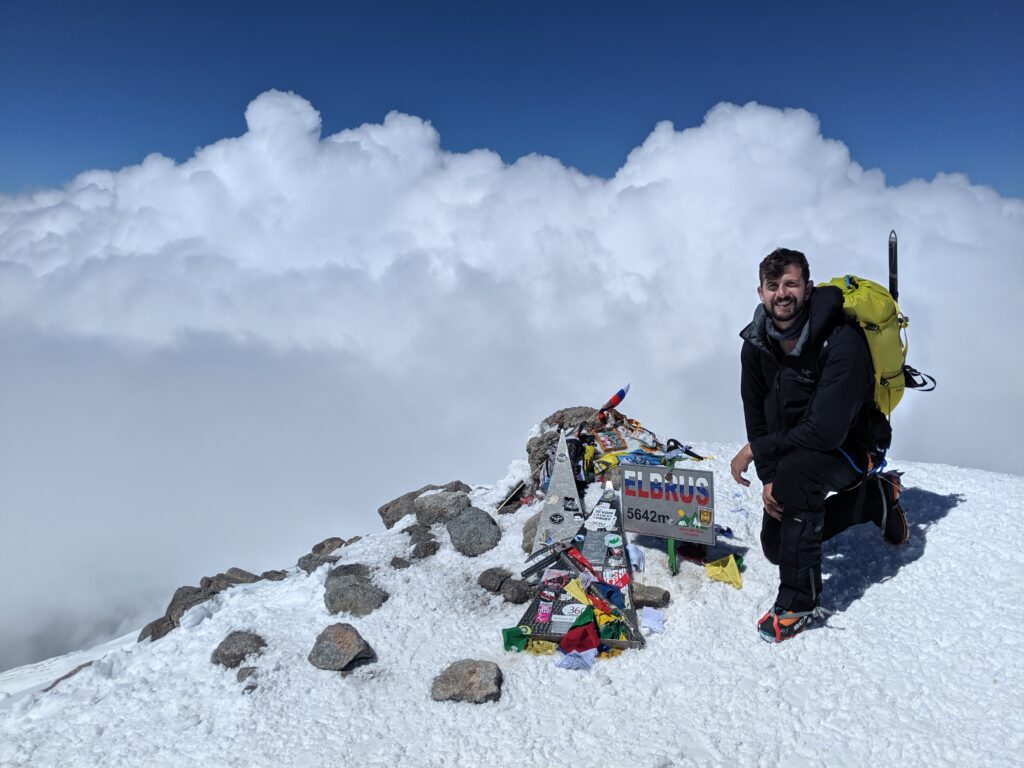
The third summit he climbed was Mount Elbrus, the tallest mountain in Europe, peaking at 5,642m, which Mr. Dawson reached in August 2019. Beginning with Elbrus, his climbs increasingly involved rope teams, crampons and ice axes.
While on Mount Elbrus, Mr. Dawson was descending the mountain, with the sun beating down and snow warming up. Those conditions can increase the risk of crevasse falls and avalanches. During the descent, another member of his rope team fell.
“He first falls into his hip, just one leg falls in up to his hip, and he pulls himself out and he yells back, ‘Andrew, I’m going to tell everyone that I fell into a crevasse, ha ha ha.’ I’m like, ‘okay buddy.’ And 10 minutes go by and he actually falls into a crevasse,” laughed Mr. Dawson.
He said the fallen climber started reaching out, while ice broke away around him.
Mr. Dawson described it as “a proper 100-foot-deep crevasse. If he takes a bad fall, he’s taking us with him because we’re on the same rope team.”
“That was pretty scary,” said Mr. Dawson, describing one of the few frightening situations he encountered during his expeditions.
Shortly after Mount Elbrus, Mr. Dawson was diagnosed with ankylosing spondylitis. After his diagnosis, he moved to Amsterdam, Netherlands, where he has lived for around seven years.
4-Denali
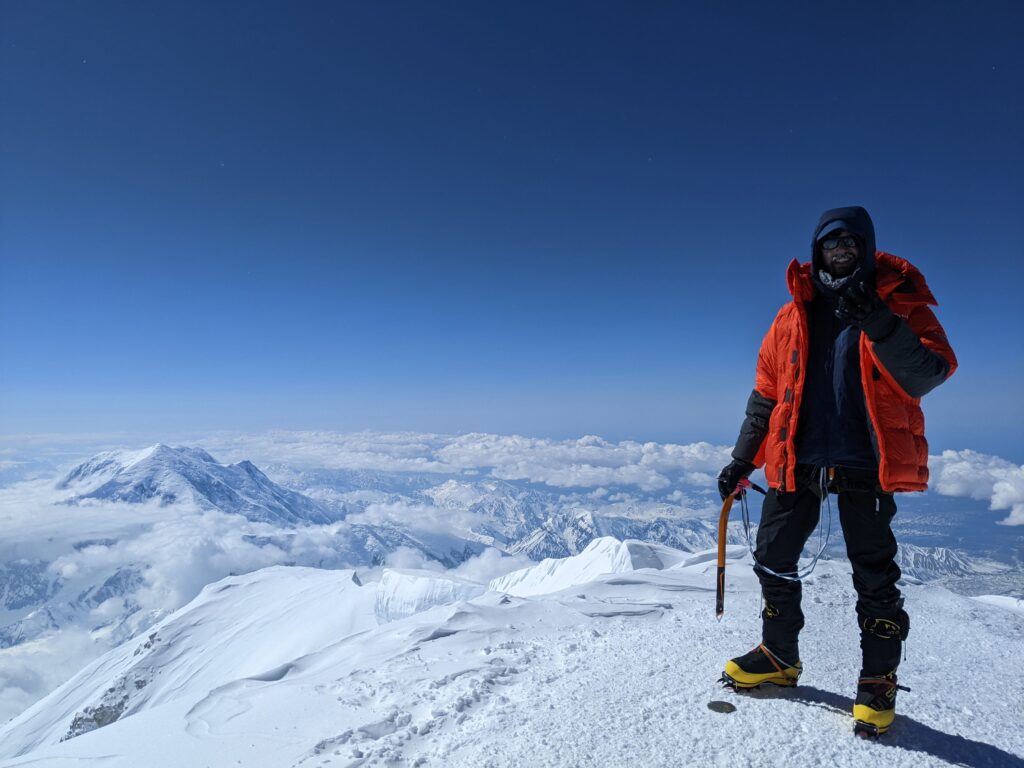
After Elbrus, Mr. Dawson climbed Denali in Alaska, the tallest mountain in North America. He reached its summit in May 2022, shortly before his 30th birthday. Denali is the third tallest of the Seven Summits, with a peak approximately 6,190 metres above sea level.
Denali was one of the hardest mountains to climb for Mr. Dawson. Located in a remote part of Alaska, it presented harsh conditions, extreme cold and heavy snowfall. Climbers had to transport their own gear and supplies up the mountain, often carrying loads higher before descending to sleep at lower elevations.
“The remoteness, self-sufficient nature, the weight of the loads are heavier than any other mountains,” said Mr. Dawson, explaining what made the climb particularly difficult.
“We had a beautiful day and the summit on Denali, just gorgeous,” said Mr. Dawson, making the climb worth it. “It’s just breathtaking.”
Mr. Dawson had another scary situation during a blizzard on Denali.
“I’m looking over in the snowstorm. I’m seeing one team in a full rescue, rescuing their head guide, but we can’t go help them. We got to get out of the snowstorm,” recalled Mr. Dawson.
5-Carstensz Pyramid
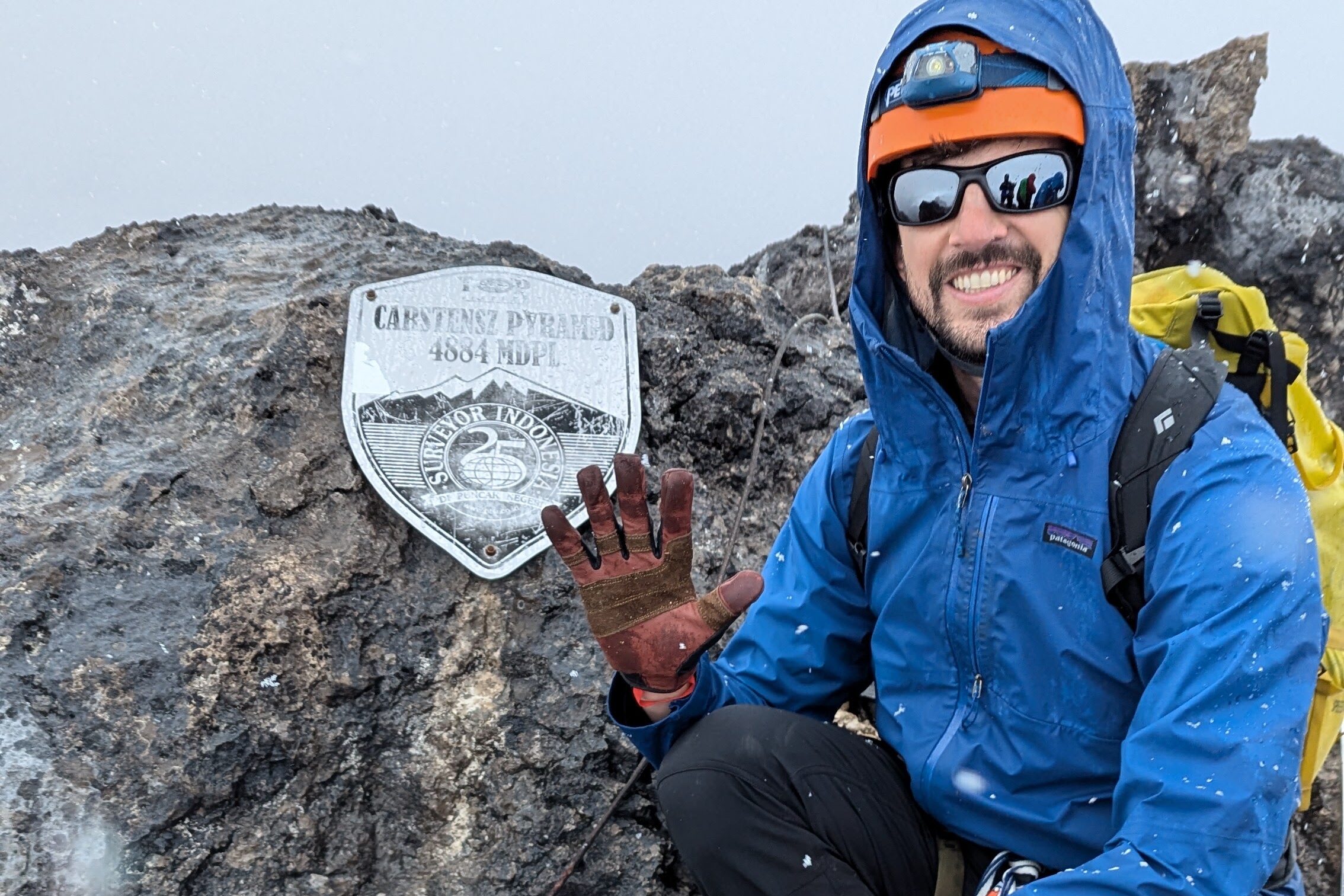
Next for Mr. Dawson’s expedition was Carstensz Pyramid, also known as Puncak Jaya, which he climbed in October 2024.
The pyramid is the highest peak in Oceania and the lowest of his Seven Summits at 4,884m above sea level. It’s a very technical climb, being “a huge, jagged ridge,” with Mr. Dawson saying it’s “a very different mountain than the other ones.”
Carstensz Pyramid had been closed to climbing expeditions for years due to geopolitical reasons and COVID-19, reopening in 2024.
With only two summits left to climb, Mr. Dawson was close to completing his goal.
6-Mount Vinson
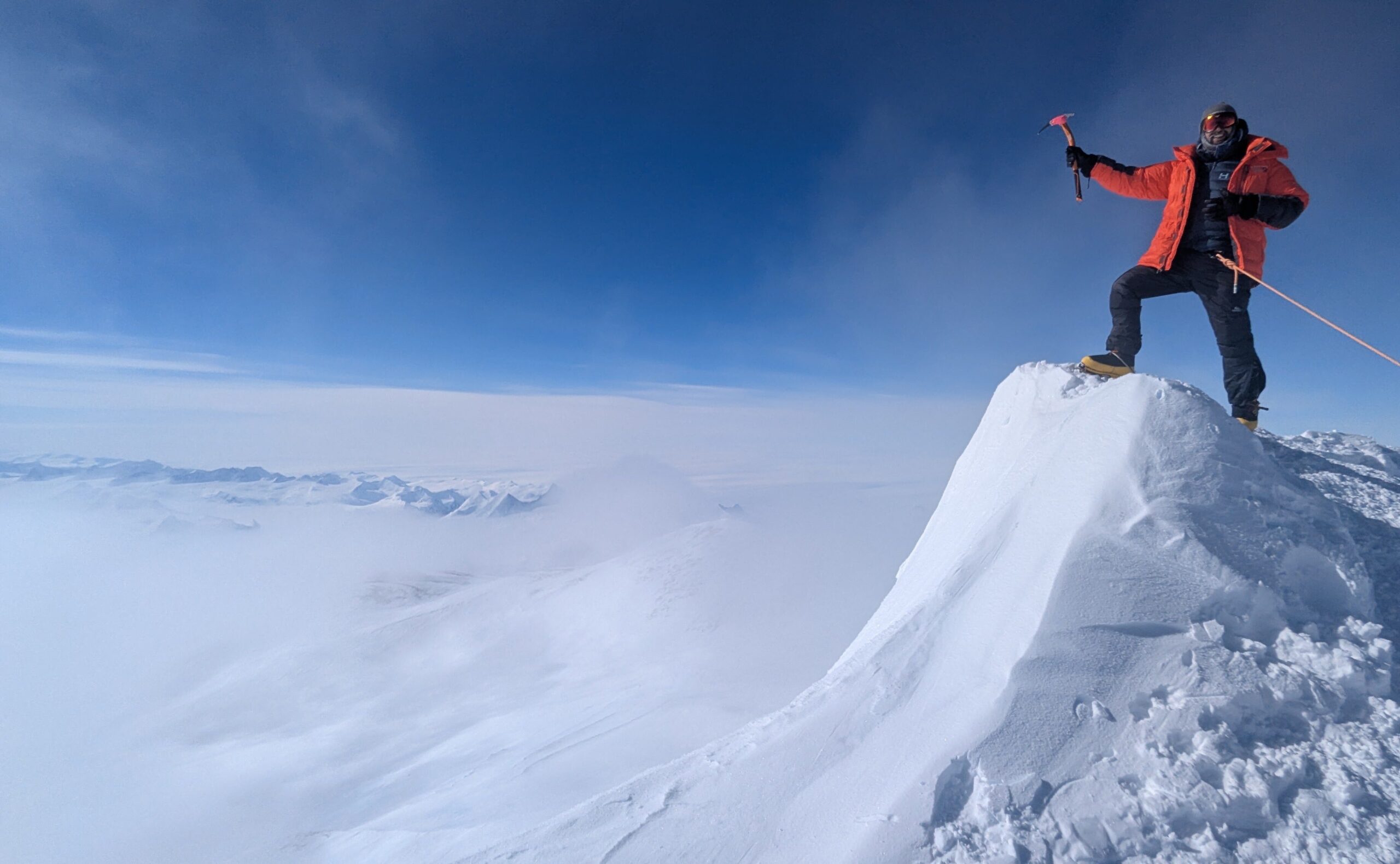
Mr. Dawson climbed Mount Vinson next, summiting in January 2026. Mount Vinson is the tallest mountain in Antarctica, peaking at 4,892m.
“I mean you’re in Antarctica for Mt. Vinson so it’s just an incredible experience,” said Mr. Dawson.
Up until that point, Mr. Dawson had funded his climbs himself, drawing on savings and employment bonuses accumulated over the years.
After losing his job at Unilever, he used a substantial portion of his severance pay to finance the Mount Vinson expedition.
“It was funny, at the time I was dating a girl. And she saw it as, ‘oh, this will be what we put towards a wedding or a car.’ And I was like, ‘nah, this is mountain money’… She, um, didn’t like that very much. We’re not together anymore,” laughed Mr. Dawson.
Climbing, he explained, had become his financial priority, ahead of many of the major purchases and milestones that occupy others his age.
“I essentially just prioritized things that were mountain related. I don’t own a car, don’t own a house, I haven’t thrown a big wedding. Things that people otherwise would spend on, I opted to spend on climbing mountains.”
7-Mount Everest
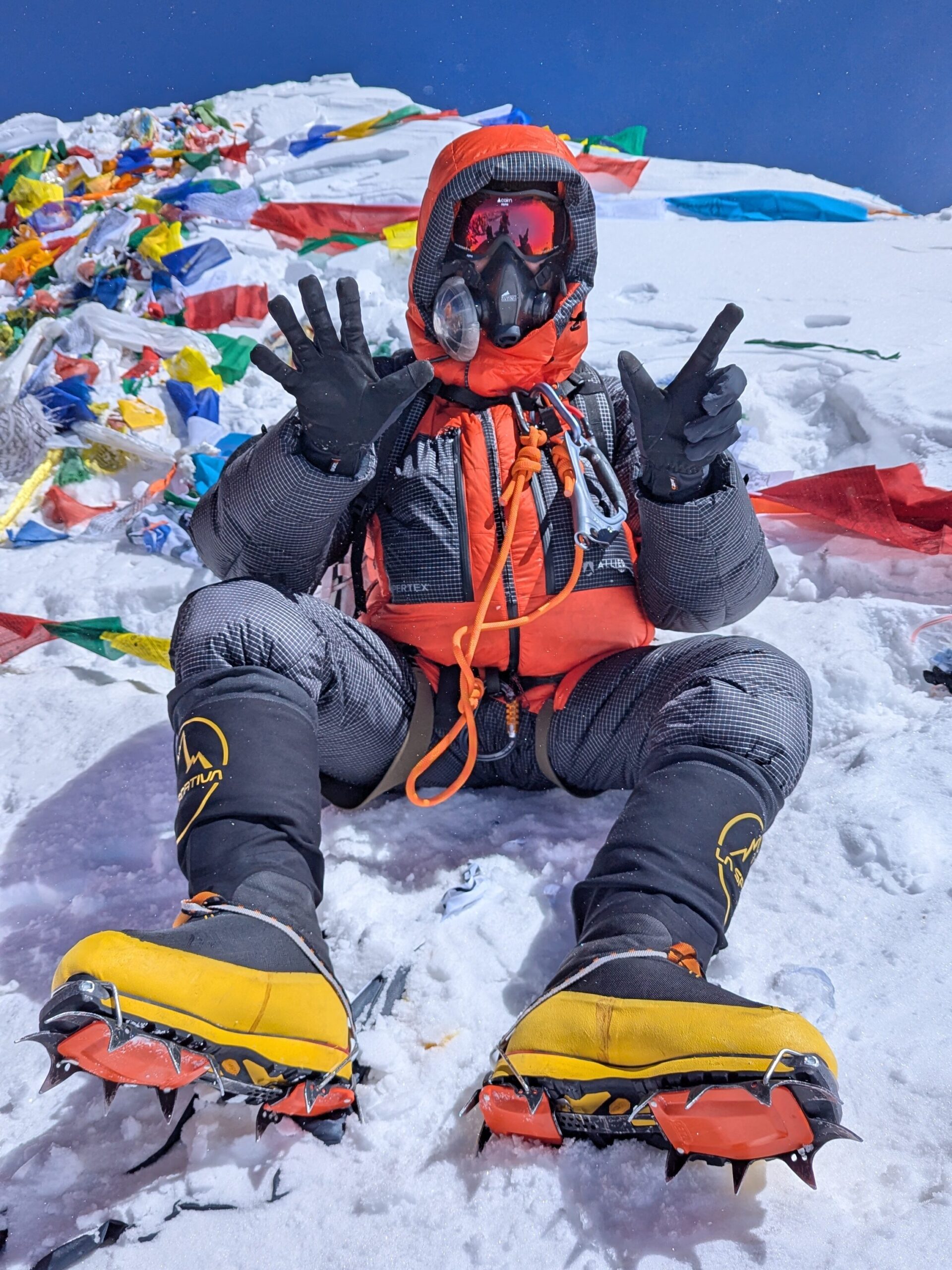
The final challenge was Mount Everest, the world’s highest mountain.
Mr. Dawson reached its summit on May 18, 2026, the 48th day of his expedition, completing the Seven Summits challenge he had begun 16 years earlier.
“The summit itself was pretty amazing, but it was a bit of a fever dream that happened so fast,” said Mr. Dawson, noting how long the final day was.
“By the time we got to the summit, we were just very tired. It took us about 12 hours from camp to the summit. But that feeling of being on top of the world after such a long journey—not only the 16-year journey that I had to get there, but also the 12-hour summit day—was pretty special.”
Mr. Dawson said they only spent 15 to 30 minutes at the summit.
“You get there, you sit down, take a few pictures, we had to rest for a little bit, had to get a sip of water. And then all of a sudden, it’s like, ‘we gotta go, we gotta get down.’ Weather was coming in so we were only really up there for maybe half an hour. But it was beautiful. It was a bit of a fever dream.”
He funded most of the Mount Everest trip himself but also got help through a GoFundMe campaign supported by friends and family.
Coming back from the mountains was an awkward time for Mr. Dawson, he found it difficult to return to everyday social life after such an intense experience.
“It’s complete reverse culture shock. It was the weirdest experience for me. I felt like a complete fish out of water. I didn’t know how to socialize. I didn’t know how to talk. I couldn’t talk to anyone about this experience.”
He summitted Mount Everest on May 18, and ten days later, on May 28, he was back home in Amsterdam.
Reflecting on the journey, and looking ahead
Having completed the Seven Summits and returned to his corporate career with Philips, Mr. Dawson reflected on what continued to draw him to the mountains.
“You just get these amazing views, just the fact that these are such grand, immense, incredible features that we get the privilege to be on and exist on and experience and explore. I think that’s a big reason why I love this. There’s more to life. There’s more to this planet. We are so insignificant and we, I don’t know, get wrapped up in ourselves a little bit too much and it’s nice to see the bigger picture.”
While on the mountains, Mr. Dawson made many new friendships, despite not having a regular climbing partner throughout his journey.
“You’re developing a bond, a connection, a sense of trust with these people very quickly. A lot of those connections withstand the mountains. I’m friends with at least one person from each of these mountain experiences,” said Mr. Dawson, adding that he plans to climb again with a guide he met on Mount Vinson and later Mount Everest.
Although his family gathered in Aylmer to recognize the achievement, Mr. Dawson acknowledged that completing the Seven Summits had left him with an unexpected sense of uncertainty about what would come next.
“When it actually all happened, it was exciting, it was amazing. But for someone who’s so goal-oriented it really became, ‘okay, what’s next?’ I’ve now accomplished this. And I feel like I still haven’t had a proper moment to sit and revel in the accomplishment at all. There was definitely a sense of accomplishment, a sense of pride… but I didn’t realize the gaping void it was going to leave in what I want to do next.”
He has since identified his next ambition: conquering the Seven Second Summits, the second-highest mountains on each continent.
Although lower in elevation, the Seven Second Summits are generally considered a more technically demanding mountaineering challenge than the Seven Summits. Among them is K2, the world’s second-highest mountain, widely regarded as one of the most difficult and dangerous climbs because of its steep terrain, avalanche risk and extreme weather. Others, including the rarely climbed Mount Tyree in Antarctica, present formidable logistical and technical challenges.
If successful, Mr. Dawson hopes to become the first Canadian and youngest person to complete the Seven Second Summits, joining an exceptionally small group of mountaineers.
The undertaking would also require considerable financial support. Mr. Dawson estimates he spent roughly $250,000 completing the first Seven Summits, not including thousands of dollars in equipment.
But his next challenge has a purpose beyond reaching another seven mountaintops. He hopes to produce a documentary chronicling both his expeditions and the progression of his ankylosing spondylitis, drawing attention to a condition he believes receives relatively little public awareness.
He sees a parallel between the lesser-known Second Summits and his disease, compared with more familiar conditions.
“The second Seven Summits are less known and less climbed, like Ankylosing Spondylitis versus arthritis, rheumatoid, ALS (amyotrophic lateral sclerosis), and MS (multiple sclerosis). Less known, less people aware of it, yet the prevalence is so big. And these second summits are more technical, more dangerous, more logistically challenging than the first seven.”
Having completed a 16-year journey to the world’s highest peaks despite a diagnosis that threatened his ability to continue climbing, Mr. Dawson now hopes his next adventure will raise awareness and deepen public understanding of ankylosing spondylitis.
By Jayden Davis, Local Journalism Initiative Reporter

Jayden Davis
Read More from Jayden Davis